
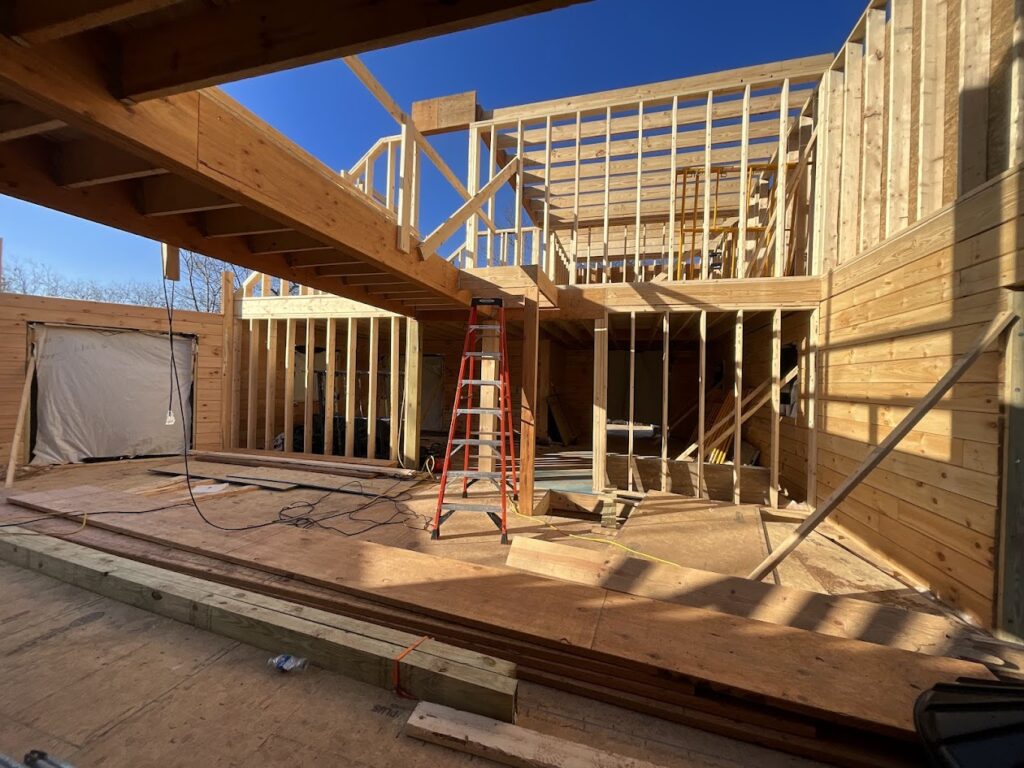
Emergency Mitigation Services in Upper Manhattan for Property Damage are often the difference between a manageable repair and a costly, long-term restoration. In a neighborhood defined by historic brownstones, aging infrastructure, and tightly built residences, even a minor incident like a burst pipe or electrical failure can escalate quickly. Property owners are not just protecting walls and floors; they are safeguarding structural integrity, tenant safety, and long-term property value.
When unexpected damage occurs, time becomes the most critical factor. Immediate response can limit loss, stabilize the property, and prevent secondary damage such as mold growth or structural weakening. This blog explains what emergency mitigation services include, how they work in the context of Upper Manhattan properties, and why proactive maintenance is essential for risk control.
Understanding Emergency Mitigation Services in Upper Manhattan for Property Damage
Emergency mitigation refers to the immediate actions taken to contain and minimize damage after an unexpected event. These services are not about full repairs or renovation. Instead, they focus on stabilizing the situation, preventing further deterioration, and preparing the property for safe restoration.
In Upper Manhattan, where many properties are older Townhouse structures or historic condominiums, mitigation requires both speed and precision. Buildings often feature original materials, shared walls, and outdated systems, which can complicate standard emergency responses.
Why Mitigation Is Critical in Dense Urban Settings
In closely built neighborhoods, damage rarely stays isolated. Water leaks can travel through multiple units. Fire damage can compromise adjacent structures. Even HVAC failures can affect indoor air quality across floors. Emergency mitigation ensures that the issue is contained quickly, reducing the risk of widespread damage.
This is particularly important for property owners managing multiple units or working with cooperative boards, where liability and tenant safety are major concerns.
Immediate Damage Assessment and Site Stabilization
The first step in any emergency mitigation process is a rapid and thorough assessment. Professionals evaluate the extent of the damage, identify safety risks, and determine the best course of action to stabilize the property.
Identifying Structural and Environmental Risks
Assessment goes beyond visible damage. It includes checking for compromised structural elements, electrical hazards, and potential health risks such as mold or contaminated water. In many Upper Manhattan buildings, hidden issues behind walls or under flooring can pose serious threats if not addressed immediately.
Securing the Property
Once risks are identified, the property is secured to prevent further damage. This may involve boarding up broken windows, sealing exposed areas, or shutting off utilities. These actions are essential for protecting the building from weather exposure and unauthorized access.
Water Damage Mitigation and Moisture Control
Water damage is one of the most common reasons property owners seek Emergency Mitigation Services in Upper Manhattan for Property Damage. From burst pipes to roof leaks, water intrusion can quickly lead to structural weakening and mold growth.
Water Extraction and Drying
The immediate priority is removing standing water and reducing moisture levels. Specialized equipment is used to extract water and dry affected areas thoroughly. This process must be precise, especially in older buildings where materials like wood and plaster can retain moisture.
Preventing Mold and Secondary Damage
If moisture is not properly controlled, mold can begin to develop within 24 to 48 hours. Mitigation services include dehumidification and air circulation to prevent this. This step is critical for maintaining indoor air quality and avoiding long-term health risks.
Fire and Smoke Damage Containment
Fire incidents, even small ones, can cause extensive damage beyond the immediate burn area. Smoke and soot can spread through ventilation systems, affecting multiple units within a building.
Cleaning and Air Quality Management
Emergency mitigation includes removing soot residues and improving air quality through filtration and ventilation. This is particularly important in multi-unit properties where smoke can travel quickly.
Preventing Further Structural Damage
Fire can weaken structural components, making the building unsafe. Mitigation teams assess and stabilize affected areas to prevent collapse or additional damage during the recovery process.
Mold Remediation and Environmental Safety
Mold is often a secondary issue that arises after water damage. However, in humid conditions or poorly ventilated spaces, it can become a primary concern.
Early Detection and Containment
Mitigation services focus on identifying mold growth early and containing it to prevent spread. This involves isolating affected areas and using specialized equipment to remove contaminants safely.
Protecting Occupant Health
Mold exposure can lead to respiratory issues and other health problems. Ensuring a safe indoor environment is a key component of emergency mitigation, especially in residential buildings with families and long-term tenants.
Temporary Repairs and Preventive Measures
Emergency mitigation is not about completing full repairs, but it often includes temporary fixes to prevent further damage until permanent solutions can be implemented.
Stabilizing Building Systems
This may involve temporary plumbing fixes, electrical adjustments, or HVAC system stabilization. These measures ensure that essential systems remain functional and safe.
Preparing for Renovation and Restoration
Once the property is stabilized, it is ready for the next phase, which may involve full renovation and restoration. Proper mitigation ensures that restoration work can proceed efficiently without unexpected complications.
Coordination with Property Owners and Boards
Effective mitigation requires clear communication with property owners, building managers, and cooperative boards. In Upper Manhattan, where many properties are jointly managed, coordination is essential.
Transparent Reporting and Planning
Mitigation teams provide detailed reports on the damage and the steps taken to address it. This helps stakeholders understand the situation and plan for restoration.
Supporting Long-Term Risk Management
Beyond immediate response, mitigation services often include recommendations for preventing future incidents. This aligns with the growing focus on property damage restoration and proactive maintenance strategies.
Integration with Ongoing Maintenance Contracts
One of the most effective ways to reduce emergency risks is through consistent maintenance. Many property owners are now combining mitigation services with home maintenance services to ensure year-round protection.
Preventive Inspections and Upkeep
Regular inspections can identify potential issues before they become emergencies. This includes checking plumbing, electrical systems, and building envelopes.
Building a Resilient Property Strategy
By integrating mitigation with maintenance, property owners can create a comprehensive approach to risk control. This not only protects the property but also enhances its long-term value.
Choosing the Right Partner for Emergency Mitigation
Not all mitigation services are the same. In a complex environment like Upper Manhattan, experience with local building types and regulations is essential.
Local Expertise Matters
Working with a team that understands the unique challenges of the area ensures faster and more effective responses. Knowledge of historic structures, zoning requirements, and community dynamics can make a significant difference.
Reliable Communication and Support
In emergencies, clear communication is critical. Property owners should look for providers who offer responsive support and transparent processes. Visiting HPRe+D can provide insight into services designed specifically for Upper Manhattan properties, and a simple step to contact us can help initiate timely assistance.
Emergency Mitigation Services in Upper Manhattan for Property Damage and Long-Term Value
Emergency Mitigation Services in Upper Manhattan for Property Damage play a crucial role not only in immediate response but also in preserving long-term property value. By addressing issues quickly and effectively, these services prevent minor incidents from becoming major financial burdens.
Property owners who invest in both mitigation and maintenance are better positioned to handle unexpected challenges. They also create safer living environments and maintain the integrity of their buildings over time.
Conclusion
Emergency Mitigation Services in Upper Manhattan for Property Damage are an essential safeguard for property owners navigating the complexities of urban living. From rapid damage assessment to water extraction, fire containment, and mold prevention, these services focus on stabilizing properties and minimizing loss when it matters most.
The real advantage lies in combining emergency response with proactive maintenance. This integrated approach not only reduces risk but also ensures that properties remain safe, functional, and valuable over the long term. For those managing historic homes, multi-unit buildings, or investment properties, having a trusted mitigation partner is not optional; it is a necessity.
If you are looking to protect your property and respond effectively to unexpected damage, consider exploring professional services that align with your building’s unique needs. Taking action early can make all the difference in preserving both your property and peace of mind.
FAQs
What are emergency mitigation services?
Emergency mitigation services are immediate actions taken to contain and minimize property damage after an incident such as water leaks, fire, or structural issues.
How quickly should mitigation services be initiated?
Ideally, mitigation should begin within hours of the incident to prevent further damage and reduce restoration costs.
Do mitigation services include full repairs?
No, mitigation focuses on stabilizing the property and preventing additional damage. Full repairs are part of the restoration phase.
Can mitigation help prevent mold growth?
Yes, proper water extraction and drying are key steps in preventing mold development after water damage.
Why are these services important in Upper Manhattan?
The area’s older buildings, shared structures, and dense layout make quick response essential to prevent damage from spreading and to protect long-term property value.

Johvany Delarosa is a dedicated content author with expertise in property maintenance, renovations, redevelopment, and disaster prevention solutions for residential and investment properties. With a strong understanding of New York City property services, Johvany creates informative and practical content that helps property owners, investors, and managers make informed decisions about maintenance, restorations, inspections, and long-term property improvements. His work focuses on delivering clear insights into modern property solutions, preventative strategies, and efficient redevelopment services.