
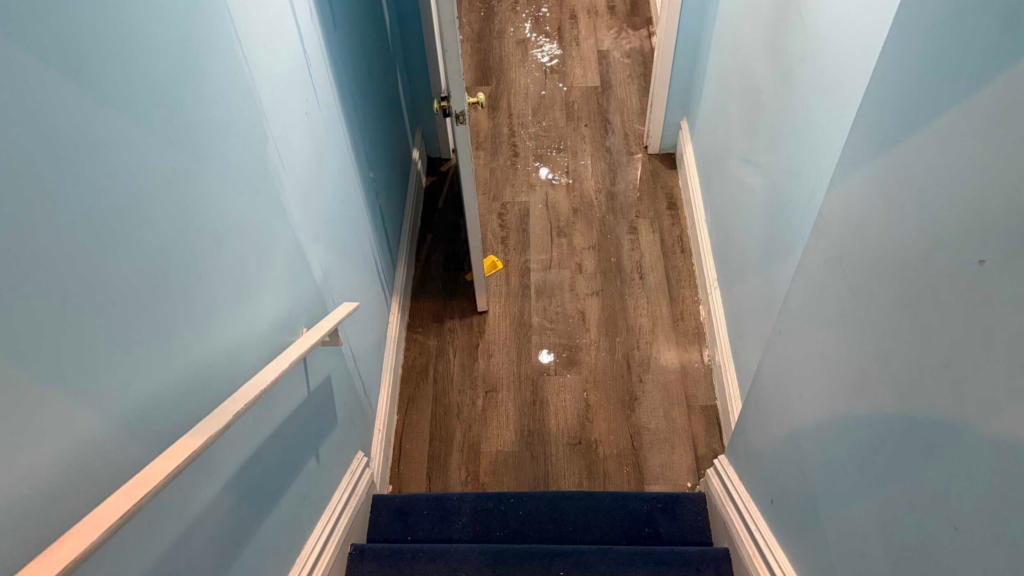
Emergency Flood & Fire Restoration in Upper Manhattan is not just a service category. It is often the difference between a manageable setback and long-term structural, financial, and emotional strain for property owners. In a neighborhood defined by historic charm, aging infrastructure, and dense living conditions, even a small incident can escalate quickly into a complex restoration challenge.
From sudden pipe bursts in a classic Townhouse to electrical fires in multi-unit condominiums, property damage in Upper Manhattan carries unique risks. These buildings are not only valuable assets but also part of the city’s architectural legacy. When damage occurs, owners are faced with urgent decisions that affect safety, compliance, and long-term value.
This guide offers a clear and practical understanding of how restoration works, what steps to take during an emergency, and how proactive care can reduce risk. Whether you are an individual homeowner or part of a building board, the goal is to help you navigate emergencies with confidence and foresight.
Understanding Emergency Flood & Fire Restoration in Upper Manhattan
Emergency Flood & Fire Restoration in Upper Manhattan involves a coordinated response to stabilize, clean, repair, and restore properties affected by water or fire damage. These services are designed to act quickly, limit further deterioration, and return a building to its pre-damage condition as efficiently as possible.
In this environment, timing is critical. Water can seep into structural elements within minutes, while smoke residue from fire can spread throughout a property, embedding itself in surfaces and systems. The restoration process typically begins with mitigation, which focuses on stopping the damage from spreading, followed by a structured recovery phase.
What makes Upper Manhattan distinct is the complexity of its buildings. Many properties feature older plumbing systems, layered renovations, and shared mechanical systems. This makes professional intervention essential, particularly when addressing hidden damage behind walls or beneath floors.
Common Causes of Property Damage in Upper Manhattan
Understanding the root causes of damage can help property owners respond more effectively and prevent future incidents. In Upper Manhattan, a combination of age, density, and environmental factors creates a unique risk profile.
One of the most frequent issues is plumbing failure. Older pipes are more susceptible to corrosion and leaks, which can lead to significant water damage if not addressed promptly. Electrical systems, especially those that have not been updated, can also pose fire risks. Faulty wiring or overloaded circuits are common contributors to residential fires.
Another important factor is the role of HVAC systems. Improperly maintained heating or cooling units can cause both water leaks and fire hazards. In addition, seasonal weather patterns, including heavy rainfall and freezing temperatures, can exacerbate vulnerabilities in roofs, basements, and exterior walls.
These risks are particularly pronounced in properties that have undergone multiple phases of Renovation and restoration, where older and newer systems may coexist. Without consistent oversight, small issues can go unnoticed until they develop into emergencies.
Immediate Steps to Take After Flood or Fire Damage
When damage occurs, the priority is always safety. Ensuring that occupants are safe and that the property is secure should come before any other action. Once immediate risks are addressed, the focus shifts to minimizing further damage.
Emergency Flood & Fire Restoration in Upper Manhattan begins with rapid response. Property owners should contact professionals as soon as possible to assess the situation and begin mitigation. Delays can lead to secondary issues such as mold growth, structural weakening, or persistent smoke damage.
Documentation is another essential step. Taking photographs and recording details of the damage can support insurance claims and provide a clear record for restoration planning. It is also important to avoid attempting major cleanup without professional guidance, as improper handling can worsen the situation.
Acting quickly and methodically helps preserve the integrity of the property and sets the stage for a smoother restoration process.
Key Phases of the Restoration Process
Inspection and Damage Assessment
The restoration journey begins with a detailed inspection. Professionals evaluate the extent of water or fire damage, identify affected areas, and determine the best course of action. This step is critical for creating a targeted and efficient restoration plan.
Water Removal and Debris Cleanup
For flood-related incidents, removing standing water is the immediate priority. Specialized equipment is used to extract water and prevent it from spreading further into the structure. In fire cases, debris removal includes clearing soot, ash, and damaged materials.
Drying and Dehumidification
Moisture control is essential to prevent mold and long-term deterioration. Industrial-grade dehumidifiers and air movers are used to dry affected areas thoroughly. This phase requires careful monitoring to ensure that hidden moisture is addressed.
Restoration and Repairs
The final phase involves repairing and rebuilding damaged sections of the property. This can range from minor cosmetic fixes to extensive structural work. In many cases, restoration integrates seamlessly with ongoing property improvements, enhancing both safety and value.
Emergency Flood & Fire Restoration in Upper Manhattan often requires coordination across multiple disciplines, including construction, engineering, and environmental management. This integrated approach ensures that no aspect of the damage is overlooked.
Why Preventive Maintenance Matters
While emergencies cannot always be avoided, their impact can be significantly reduced through proactive care. Regular inspections and maintenance play a vital role in identifying potential issues before they escalate.
A well-structured maintenance plan includes routine checks of plumbing, electrical systems, and HVAC components. It also involves monitoring areas that are prone to moisture, such as basements and roofs. These measures not only reduce the likelihood of emergencies but also extend the lifespan of building systems.
For property owners in Upper Manhattan, maintenance is especially important due to the age and complexity of many buildings. Investing in preventative care can lead to substantial savings over time and provide peace of mind.
Challenges Unique to Upper Manhattan Properties
Emergency Flood & Fire Restoration in Upper Manhattan presents challenges that are not typically found in newer or less dense areas. Historic buildings often require specialized techniques to preserve their architectural integrity while addressing damage.
Access can also be a limiting factor. Narrow streets, limited parking, and shared building systems can complicate restoration efforts. In addition, compliance with local regulations and preservation guidelines must be carefully managed throughout the process.
These factors make it essential to work with professionals who understand the local landscape. Experience with similar properties allows for more efficient planning and execution, reducing delays and ensuring high-quality results.
Choosing the Right Restoration Approach
Selecting the right approach to restoration involves more than addressing immediate damage. It requires a long-term perspective that considers the overall health and value of the property.
Emergency Flood & Fire Restoration in Upper Manhattan should ideally be part of a broader property management strategy. This includes aligning restoration efforts with future improvements, ensuring that repairs are durable and compatible with existing systems.
Working with a team that offers both emergency mitigation and ongoing maintenance services can provide a more cohesive solution. This integrated model allows for better communication, consistent quality, and a deeper understanding of the property’s needs.
The Role of Integrated Property Services
In a complex environment like Upper Manhattan, the line between restoration and improvement is often blurred. Addressing damage provides an opportunity to upgrade systems, enhance resilience, and improve overall functionality.
Integrated services combine emergency response with long-term planning. This approach ensures that restoration is not just reactive but also strategic. By considering future risks and opportunities, property owners can make informed decisions that support both safety and value.
For example, upgrading outdated systems during restoration can reduce the likelihood of future emergencies. Similarly, improving insulation or waterproofing can enhance the building’s performance and comfort.
Conclusion
Emergency Flood & Fire Restoration in Upper Manhattan is a critical aspect of property ownership that demands both urgency and thoughtful planning. From understanding the causes of damage to navigating the restoration process, every step plays a role in protecting your investment and ensuring long-term stability.
The key takeaway is simple. Preparation and expertise matter. By investing in preventative maintenance, responding quickly to emergencies, and choosing the right restoration approach, property owners can minimize disruption and safeguard their properties.
For those seeking reliable support, HPRe+D offers a comprehensive approach that combines emergency mitigation with ongoing care. Their experience in managing complex properties across Upper Manhattan ensures that each project is handled with precision and respect for the building’s character. If you are looking to strengthen your property’s resilience and ensure expert handling during emergencies, it is the right time to contact us and explore tailored solutions for your needs.
FAQs
- What is included in emergency flood and fire restoration services?
These services typically include damage assessment, water extraction, debris removal, drying, cleaning, and full restoration of affected areas. - How quickly should restoration begin after damage occurs?
Restoration should begin as soon as possible, ideally within the first 24 hours, to prevent further damage and reduce recovery time. - Can restoration services prevent mold after flooding?
Yes, proper drying and dehumidification are essential steps that help prevent mold growth following water damage. - Are historic properties harder to restore after fire or water damage?
Historic properties often require specialized techniques and materials, making restoration more complex but entirely manageable with experienced professionals. - Do maintenance contracts help reduce emergency risks?
Regular maintenance can identify and address potential issues early, significantly reducing the likelihood of emergencies.

Johvany Delarosa is a dedicated content author with expertise in property maintenance, renovations, redevelopment, and disaster prevention solutions for residential and investment properties. With a strong understanding of New York City property services, Johvany creates informative and practical content that helps property owners, investors, and managers make informed decisions about maintenance, restorations, inspections, and long-term property improvements. His work focuses on delivering clear insights into modern property solutions, preventative strategies, and efficient redevelopment services.