
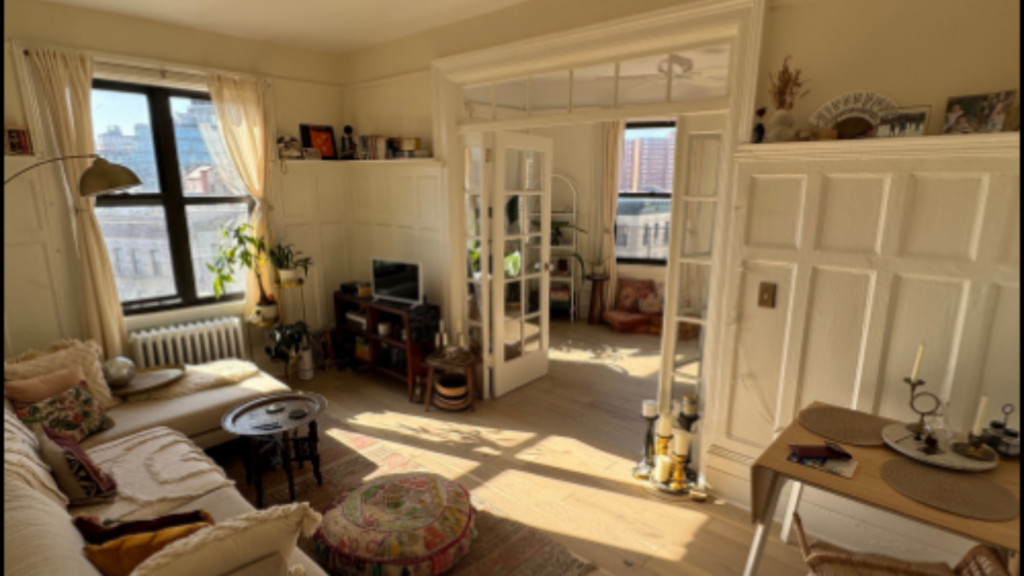
Townhouses across New York City carry a timeless charm that reflects centuries of architectural evolution, cultural identity, and urban living. From elegant brownstones in Harlem to historic row houses lining Upper Manhattan streets, these properties are more than just residences. They are living pieces of history that require thoughtful care and expertise when being restored.
For property owners and investors, the appeal of restoring a townhouse is undeniable. However, the process involves far more than cosmetic updates. It requires careful planning, adherence to regulations, and a deep understanding of structural and historical elements. This blog explores everything you need to know about Townhouse Restoration in NYC, offering insights into regulations, design considerations, and long-term value.
Understanding Townhouse Restoration
Restoring a townhouse is fundamentally different from a standard renovation. While renovations often focus on updating aesthetics or improving functionality, restoration aims to preserve and enhance the original character of the building while making it suitable for modern living.
Restoration Versus Renovation
In Townhouse Restoration in NYC, the goal is to maintain historical integrity. This means preserving original details such as moldings, staircases, fireplaces, and facade materials. Renovation, on the other hand, may involve replacing or altering these features without regard to historical accuracy. Restoration requires a balance between conservation and modernization, ensuring that the building retains its identity while meeting current standards.
Preserving Architectural Heritage
Many townhouses, particularly in historic neighborhoods like Harlem, are part of designated districts. These areas have strict guidelines to protect architectural heritage. Preserving these elements is not just a legal requirement but also a way to maintain the cultural fabric of the community.
Importance of Professional Expertise
Restoration projects demand specialized knowledge. Experienced professionals understand how to work with older materials, navigate regulatory frameworks, and anticipate structural challenges. Without this expertise, projects can quickly become costly and complicated.
NYC Regulations and Permits
One of the most critical aspects of Townhouse Restoration in NYC is navigating the city’s regulatory environment. New York has some of the most comprehensive building codes and preservation guidelines in the country.
Building Codes and Permits
Before any work begins, property owners must secure the necessary permits from the Department of Buildings. These permits ensure that all work complies with safety and structural standards. Depending on the scope of the project, multiple permits may be required, covering everything from structural changes to electrical upgrades.
Landmark Preservation Commission Guidelines
If a townhouse is located in a historic district, it falls under the jurisdiction of the Landmark Preservation Commission. This body oversees any exterior changes to ensure they align with the building’s original design. Even minor alterations, such as window replacements or facade repairs, may require approval.
Impact on Project Timelines
Compliance with regulations can significantly affect timelines. Approval processes, inspections, and revisions often extend project durations. Planning for these factors is essential to avoid delays and unexpected costs.
Structural Challenges in Historic Townhouses
Older townhouses come with unique structural challenges that must be addressed carefully. Understanding these issues is a key component of successful Townhouse Restoration in NYC.
Aging Foundations and Framing
Many historic townhouses were built over a century ago. Over time, foundations may settle, and structural beams can weaken. Addressing these issues requires thorough inspections and, in some cases, reinforcement or replacement of key structural elements.
Infrastructure Upgrades
Plumbing and electrical systems in older homes are often outdated and may not meet current safety standards. Upgrading these systems is essential, but it must be done in a way that minimizes disruption to the building’s historic features.
Cellar Excavation for Additional Space
In dense urban environments, maximizing usable space is a priority. Cellar excavation is a common strategy used to increase living space. This process involves lowering the basement floor to create additional height and functionality, but it requires careful engineering to ensure structural stability.
Balancing Historic Charm With Modern Living
A successful restoration blends old-world charm with modern convenience. This balance is central to Townhouse Restoration in NYC, especially in neighborhoods where historical character is highly valued.
Preserving Original Features
Original details such as woodwork, decorative plaster, and period-specific fixtures add character and value. Restoring these elements requires skilled craftsmanship and attention to detail.
Integrating Modern Systems
Modern living demands efficient heating, cooling, and electrical systems. Integrating these systems into a historic structure requires thoughtful design to avoid compromising the building’s aesthetics.
Functional Layout Design
Many older townhouses were designed with layouts that do not align with contemporary lifestyles. Reconfiguring spaces to create open floor plans, additional bathrooms, or updated kitchens can enhance livability while maintaining the building’s charm.
Townhouse Conversions and Development Opportunities
Townhouse restoration often presents opportunities for development and investment. Many property owners explore ways to maximize the value of their property through strategic conversions.
Multi-Unit Conversions
Converting a single-family townhouse into multiple units can significantly increase its income potential. This approach requires compliance with zoning laws and building codes, but it can be a highly effective investment strategy.
Condominium Development
In areas like Upper Manhattan, townhouse to condominium conversions have become increasingly popular. This process involves dividing the property into separate ownership units, often increasing overall property value.
Maximizing Value Through Design
Smart design decisions play a crucial role in maximizing value. Features such as additional living space, modern amenities, and energy-efficient upgrades can make a property more attractive to buyers and tenants.
Exterior Restoration and Facade Preservation
The exterior of a townhouse is often its most defining feature. Preserving and restoring the facade is a critical component of Townhouse Restoration in NYC.
Brownstone and Brick Restoration
Brownstone facades require specialized care to address issues such as cracking, weathering, and water damage. Proper restoration techniques can extend the life of these materials and maintain their appearance.
Window and Energy Efficiency Upgrades
Replacing or restoring windows can improve energy efficiency while preserving the building’s historic look. In many cases, custom solutions are required to meet both aesthetic and performance standards.
Roof and Waterproofing Solutions
Roof restoration and waterproofing are essential to protect the building from water damage. These measures help prevent long-term structural issues and maintain the integrity of the property.
Budget and Investment Considerations
Financial planning is a crucial aspect of any restoration project. Understanding costs and potential returns is essential for successful Townhouse Restoration in NYC.
Understanding Costs
Restoration projects can vary widely in cost depending on the scope of work, the condition of the property, and the level of detail required. It is important to develop a comprehensive budget that accounts for all aspects of the project.
Planning for Contingencies
Unexpected issues are common in older buildings. Setting aside a contingency budget can help address unforeseen challenges without derailing the project.
Long Term Value
While restoration can be expensive, it often leads to significant increases in property value. Well-executed projects not only enhance the building’s appeal but also contribute to the overall value of the neighborhood.
Ongoing Maintenance After Restoration
Restoration does not end when construction is complete. Ongoing maintenance is essential to preserve the results and protect the investment.
Regular Inspections
Routine inspections help identify potential issues before they become major problems. This proactive approach can extend the life of the building and reduce long-term costs.
Preventative Maintenance Strategies
Preventative measures, such as sealing, cleaning, and minor repairs, can help maintain the building’s condition and prevent deterioration.
Emergency Repair and Management Services
Having access to reliable emergency services ensures that unexpected issues can be addressed quickly. This is particularly important for multi-unit properties and buildings with complex systems.
Conclusion
Townhouse Restoration in NYC is a complex yet rewarding process that requires careful planning, technical expertise, and a deep respect for history. From navigating regulations to addressing structural challenges and balancing design elements, every aspect of the process plays a role in the outcome.
For property owners in neighborhoods like Harlem and Upper Manhattan, restoration is not just about improving a building. It is about preserving a legacy while creating spaces that meet modern needs. Working with experienced professionals ensures that every detail is handled with precision and care.
Harlem Property Re Development stands as a trusted partner in this journey, offering decades of experience in townhouse restoration, conversion, and maintenance. Their commitment to quality, innovation, and community makes them a valuable resource for anyone looking to restore and enhance a historic townhouse.

Johvany Delarosa is a dedicated content author with expertise in property maintenance, renovations, redevelopment, and disaster prevention solutions for residential and investment properties. With a strong understanding of New York City property services, Johvany creates informative and practical content that helps property owners, investors, and managers make informed decisions about maintenance, restorations, inspections, and long-term property improvements. His work focuses on delivering clear insights into modern property solutions, preventative strategies, and efficient redevelopment services.