
Project Overview
In New York City’s competitive real estate market, the first impression of a property can significantly influence buyer perception and final value.
This case study is based on a Pre-Listing Walkthrough and Property Condition Report (PCR) conducted at 320 Convent Avenue, where HPRe+D assessed and addressed exterior maintenance concerns to prepare the property for market readiness.
The goal of the engagement was to identify existing issues, complete necessary restoration work, and ensure the property presented as structurally maintained and visually consistent for potential buyers, insurers, and stakeholders.
The Audit: Property Condition Assessment
At 320 Convent Avenue, our team conducted a full exterior Property Condition Report (PCR) focusing on the building envelope and surrounding site conditions.
While many property owners view exterior maintenance as cosmetic, in professional property management and insurance review, it is closely tied to risk assessment and liability prevention.
The audit identified three primary areas requiring attention due to deferred maintenance and long-term exposure.
Findings & Restoration Work
Structural Ironwork Restoration
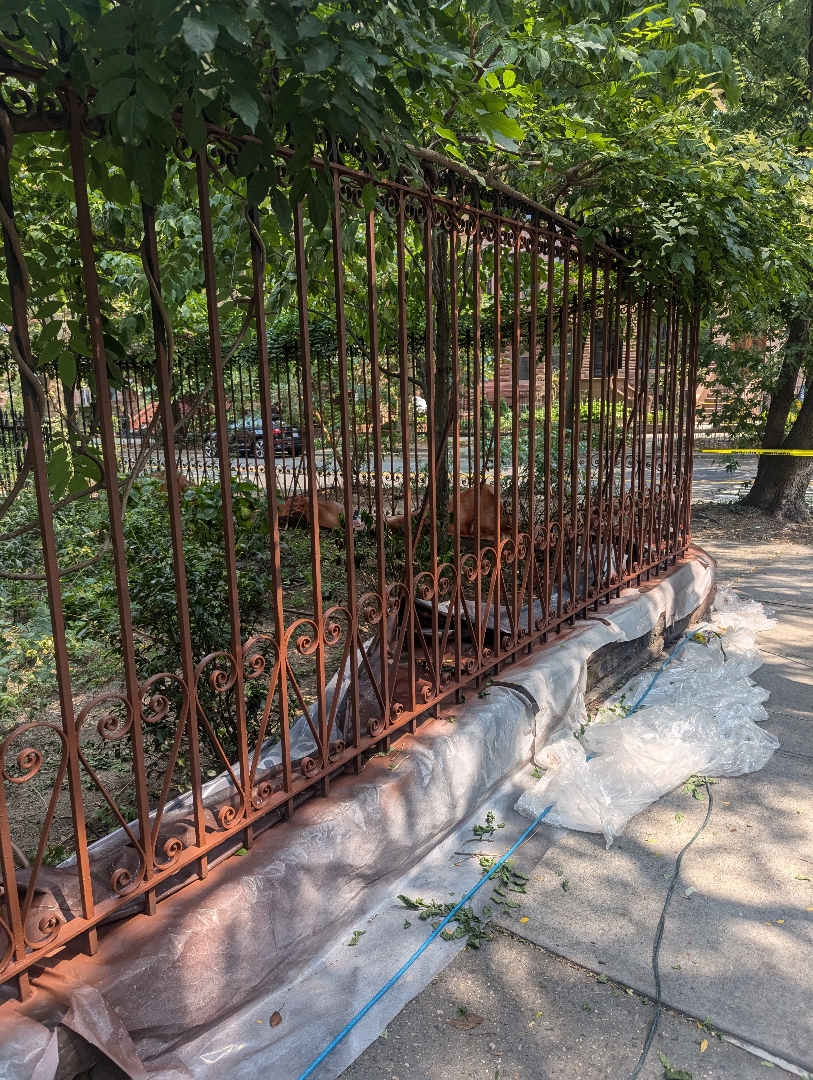
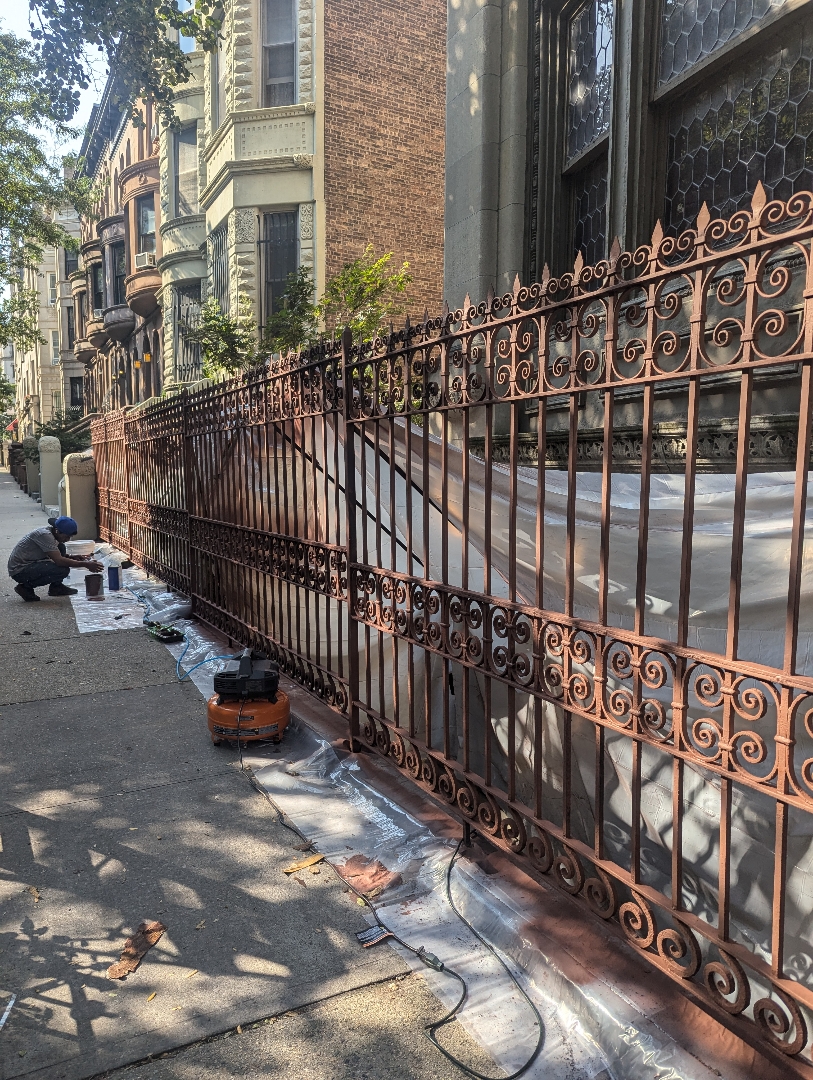
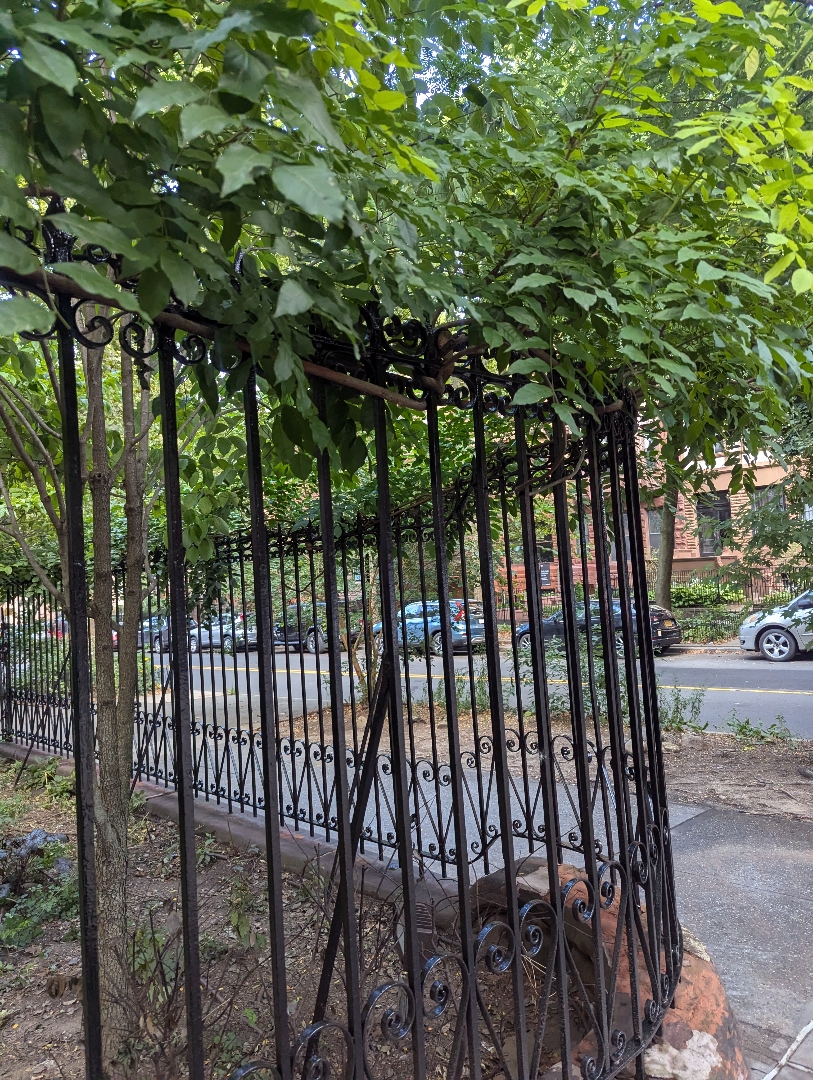
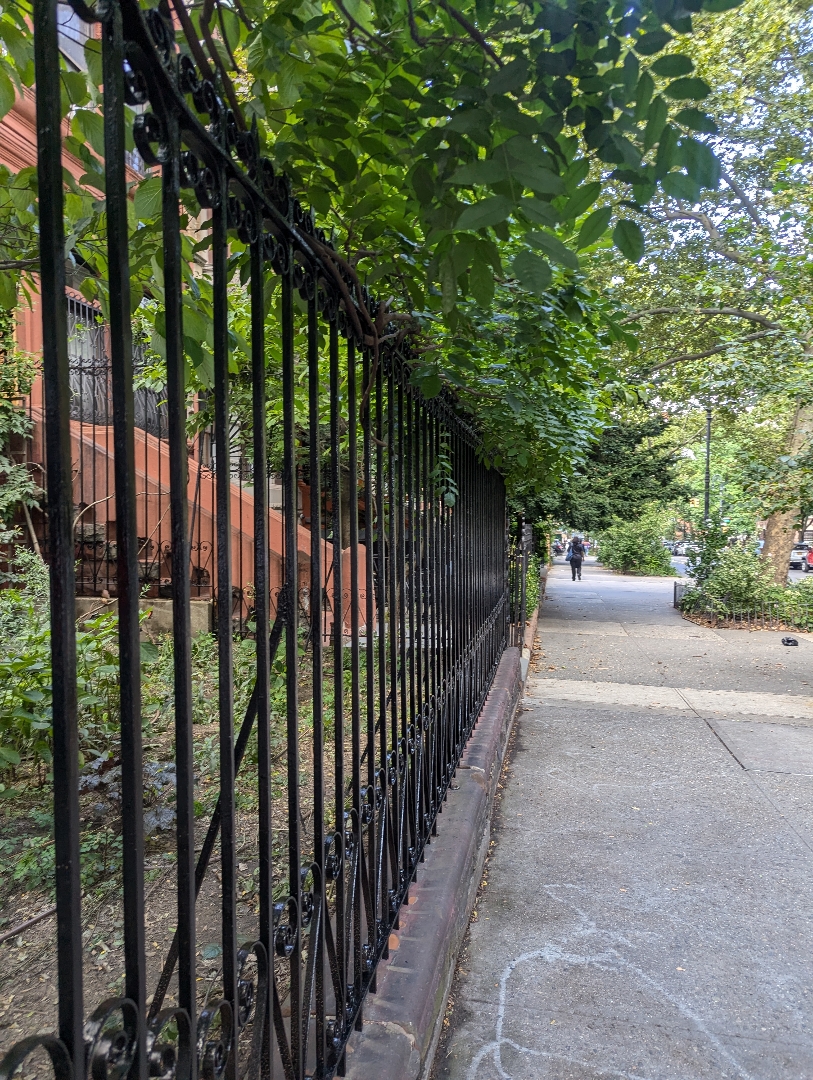
The perimeter fencing showed significant oxidation due to weather exposure over time. If left untreated, rust can weaken structural integrity and create safety concerns.
Observation
Advanced surface rust and paint failure across the main fence line.
Action
We performed a full restoration, including manual scraping, sanding, and the application of a high-performance protective finish.
Insurance Benefit
Documenting the repair of a perimeter fence reduces "trip and fall" or structural failure liability risks.
BEFORE
Masonry & Walkway Cleaning
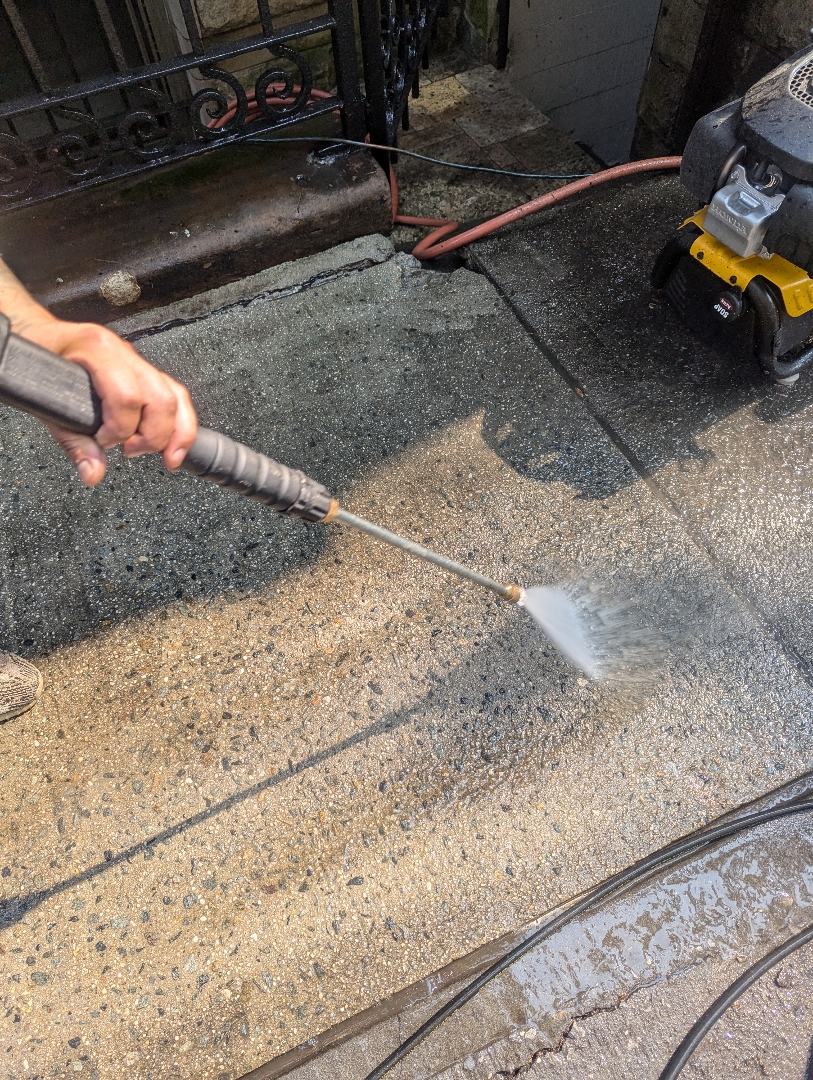
Exterior masonry and walkways showed buildup from soot, weather exposure, and organic growth. This type of accumulation can trap moisture and contribute to long-term surface deterioration.
Observation
Heavy biological growth and city grime on the entry stairs and public-facing sidewalk.
Action
Industrial pressure washing was utilized to clear the surfaces, allowing for a better assessment of the stone's condition underneath.
Exterior Wood Preservation
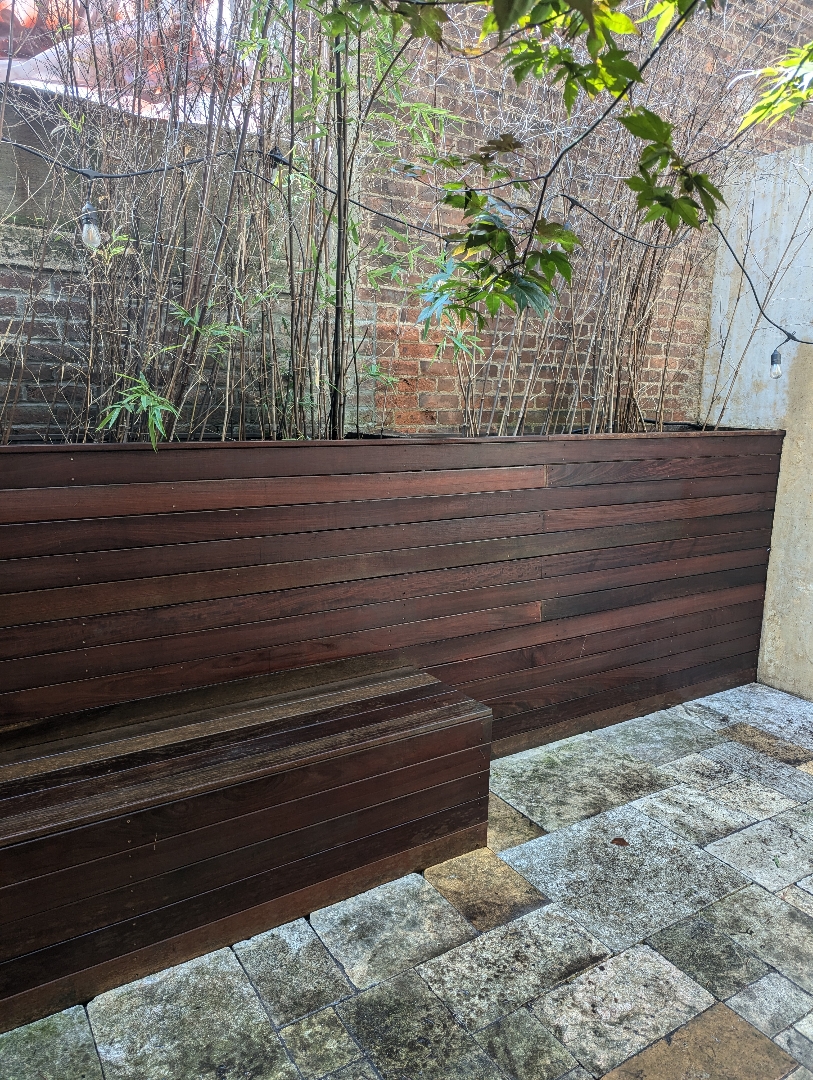
Outdoor wood elements such as planters and benches showed weathering and required preventative treatment to avoid further deterioration.
Action
BEFORE & AFTER
BEFORE
 AFTER
BEFORE
AFTER
BEFORE
 AFTER
BEFORE
AFTER
BEFORE
 AFTER
AFTER
Result: Property Stabilization & Readiness
By transforming the PCR findings into completed repairs, the owners of 320 Convent successfully protected their investment.
Why this works for Future Clients:
Insurance Synergy
A completed HPRe+D Property Condition Report shows your insurance carrier that you are a "low-risk" owner who proactively manages their property.
Comprehensive Tracking
Whether you have a monthly Maintenance Service Contract or an individual project, our PCRs provide the documentation you need for building boards, banks, and insurers.
Market Advantage
A property with a clean PCR and documented repairs commands a higher value and closes faster.
This process helped align the property’s physical condition with its market expectations and long-term maintenance requirements.
Project Manager Perspective
In our experience, the most costly repairs are often the ones that are not identified early.
The Property Condition Report (PCR) process is designed to provide a clear understanding of building conditions, highlight maintenance priorities, and ensure issues are addressed before they escalate.
At HPRe+D, we don’t only identify problems—we document conditions and complete the corrective work required to maintain long-term property performance.
For property owners, investors, and managers, this approach helps maintain compliance, reduce risk, and improve overall asset presentation.